
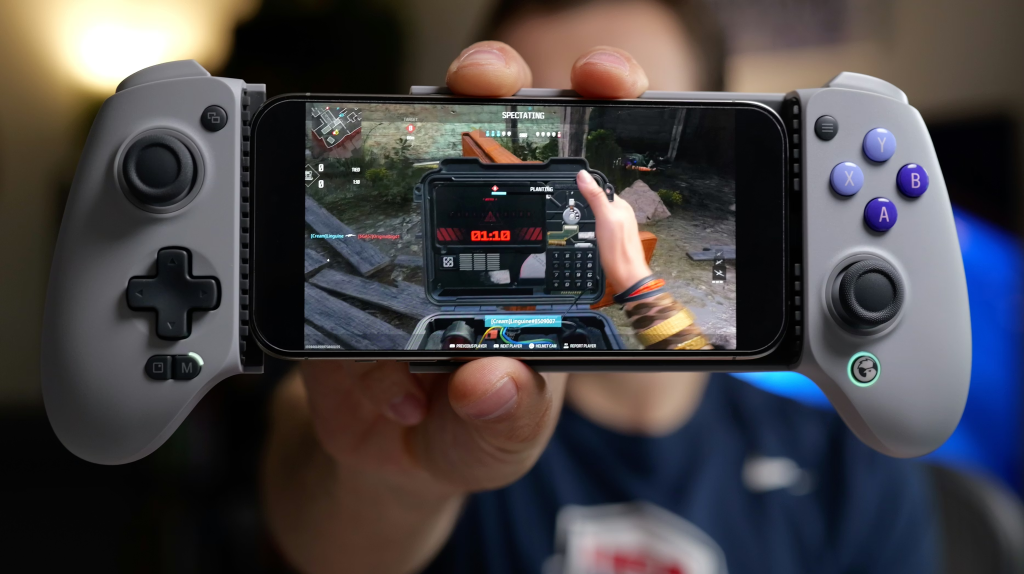
For a while, competitive gaming seemed to dominate almost everything. Rankings, leaderboards, esports, battle passes, and endless arguments over skill turned multiplayer into a constant contest. That format still has a huge audience, but another style of play has been quietly returning to the spotlight. Cooperative games are becoming popular again because many players are looking for something less exhausting and more enjoyable to share. Winning together often feels very different from defeating strangers all evening.
That shift can be seen across the wider online gaming space, where discussion moves between streams, reviews, community clips, and platforms such as x3bet while players talk more often about teamwork, shared progression, and chaotic co-op fun. A cooperative game offers a different kind of energy. Instead of asking who performed better, the experience asks how well a group can survive, solve, build, or escape together. In a gaming culture that often feels loud and combative, that change feels surprisingly refreshing.
Playing Together Feels More Relaxed Than Constant Competition
One reason co-op games are returning is simple: not everybody wants every session to feel like a trial. Competitive games can be exciting, but they also bring pressure. A bad match can feel personal. One mistake gets noticed immediately. Team chat becomes tense. Even victory can feel less satisfying when the whole evening has been spent clenching a controller like a legal document during tax season.
Cooperative games change that mood. The challenge still exists, sometimes very strongly, but the pressure is aimed in a different direction. The group faces the game, not each other. That makes failure easier to laugh at and success easier to share.
This matters more than it may seem. Modern players often want social gaming without the constant grind of proving something. Co-op makes space for that. It allows progress, challenge, and conversation to exist in the same room without turning every moment into a small digital knife fight.
Friendship Fits Better Inside Co-op Design
Competitive play can absolutely create strong friendships, but cooperative games often support those friendships more naturally. The design itself encourages communication, shared planning, small rescues, and those ridiculous moments where everything goes wrong at once and somehow becomes the funniest part of the night.
That is part of the appeal. A cooperative game creates stories. One player falls off a ledge, another forgets the objective, somebody panics during an ambush, and the whole mission somehow survives on pure chaos. These moments feel personal in a way that scoreboard-based gaming often does not.
Why Co-op Games Feel More Inviting Right Now
Several features make cooperative games especially attractive in the current gaming mood:
- Lower social tension because the focus is on teamwork rather than blame
- Shared victories that feel more satisfying than isolated individual stats
- Room for different skill levels without ruining the whole experience
- More memorable moments built from mistakes, improvisation, and recovery
- Better conversation flow during play, since the session feels less hostile
That last point matters a lot. Many players are not only choosing a game. A choice is also being made about what kind of evening it creates.
Modern Life Makes Shared Escapism More Valuable
There is another reason behind the comeback. Daily life already feels competitive enough. Work, study, money, deadlines, comparison, and nonstop online noise create plenty of pressure before gaming even begins. After all that, a lot of people do not want entertainment that feels like another performance review.
Cooperative games offer a softer kind of escape. There can still be danger, challenge, monsters, puzzles, or survival mechanics, but the emotional structure is different. The group works through the problem together. That changes the entire atmosphere. Instead of one person carrying the whole result, the experience feels distributed.
This is why co-op can feel oddly comforting even when the game itself is difficult. The stress becomes shared rather than isolating. A terrible plan becomes a group memory. A narrow win feels earned by everyone in the room.
Co-op Works Better Across Different Skill Levels
This may be one of the most practical reasons for the renewed popularity. Competitive games often separate players quickly. One friend is too strong, another is too casual, someone else stops enjoying the experience after being crushed for three matches in a row. Co-op is usually more forgiving.
A group can still function even if skill levels are uneven. One player focuses on support, another handles combat, another simply follows instructions and contributes when possible. That flexibility keeps friend groups together instead of splitting them into ranked tiers of disappointment.
What Is Driving The Return Of Cooperative Games
The comeback is happening for several connected reasons:
- Player fatigue with hyper-competitive design
- Stronger demand for social experiences that feel less stressful
- Better online tools for easy group play
- Streaming and content culture that rewards funny shared moments
- Game design that now treats co-op as a core identity, not an afterthought
These changes make cooperative play feel current again, not old-fashioned.
The Appeal Is Simple: Shared Fun Lasts Longer
Cooperative games are becoming popular again because they give players something many modern titles forgot how to protect: enjoyable company inside the game itself. The goal is not only to win. The goal is to experience the win together, and sometimes to enjoy the mess that happens before it.
That may be why co-op feels stronger again right now. In a gaming culture full of pressure, ranking, and endless comparison, playing on the same side feels almost rebellious. Not dramatic, not flashy, just genuinely fun. And in the end, fun has a way of making old ideas feel new again.



Facebook comments